 AIVITA
The CAC Test: A 15-Minute Scan That Tells Men Their Heart Attack Risk
Published: · Русский · O‘zbekcha
AHA, November 17, 2026: a coronary artery calcium (CAC) test is a quick, noninvasive CT scan detecting plaque buildup in heart arteries. AHA calls it a 'tiebreaker test' for men 40+ with borderline or intermediate cardiovascular risk.
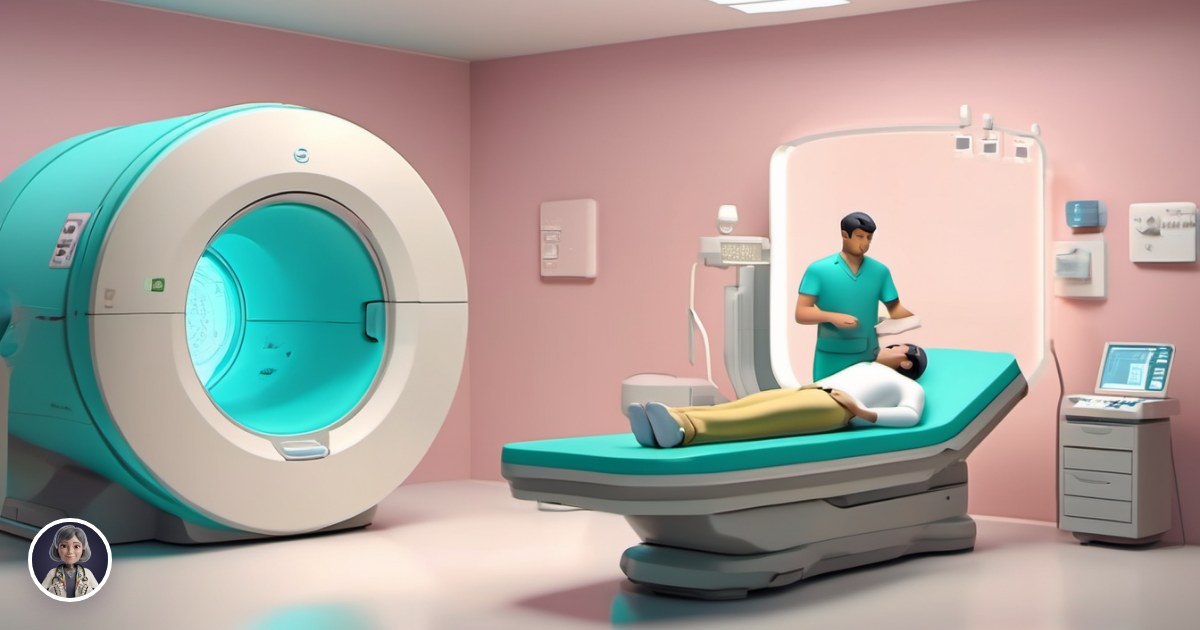
A coronary artery calcium (CAC) test is a 10–15 minute CT scan that uses a low dose of radiation and no contrast injection. It detects calcium deposits in the coronary arteries — an early sign of atherosclerotic plaque buildup. The higher the calcium score, the greater the plaque burden and cardiovascular risk.
According to AHA, CAC testing is not necessary for everyone. It is most useful for people with borderline (3–5%) or intermediate (5–10%) 10-year cardiovascular risk, when the decision about starting statin therapy is uncertain. AHA guidelines suggest using CAC results to help men aged 40 and older and women aged 45 and older decide on cholesterol-lowering treatment.
A score of zero is reassuring but not an all-clear: noncalcified plaque can still exist. For people with diabetes, a smoking history, very high cholesterol, or a strong family history of premature heart disease, a zero score does not eliminate risk. CAC is a one-time decision-making tool, not an annual screening test.
The test typically costs $100–$400 and is usually not covered by insurance. Talk with your doctor before getting tested — they can help assess your overall risk and determine whether a CAC scan is the right next step.
Source: American Heart Association · Read the original source ↗
Share this news